Interstellar Jungles:
Ab Aqua Ad Astra - From Water to the Stars
A multi-national research expedition to identify and characterize new microbial life (from water and soils) for off-planet applications, with an ultimate goal of revealing the importance of conserving unique habitats on Earth.
Before it’s too late.
The Challenge: Space Travel
Traveling off-planet for long periods of time presents unique challenges, such as manufacturing essential materials and supplies (including food, medicines, and building materials) while navigating constraints of payload weight, available space, and limited access to starting materials.
The Opportunity: New Microbes
Microbes, because of their small size and ability to act as microscopic alchemists— able to create and degrade materials efficiently—offer a rich source of off-planet technologies. Microbes are already being investigated for their ability to produce pharmaceuticals and plastics for astronauts in space.
But these new technologies can also help us on Earth. Microbes already provide technologies we rely on every day. Most of our antibiotics, leading cholesterol-lowering medications, and even some of our cancer therapeutics are produced naturally by soil microbes. Microbes are also sources of natural dyes, inoculants that can help crops increase yields with fewer inputs, and they are the creatures behind some of our most sustainable biomaterials (and favorite flavors). Microbes can ‘grow’ concrete, make sustainable plastics, and even power autonomous robots. Other microbes can degrade waste, reduce hazardous materials, and recycle materials back into their original ingredients.
Thanks to the ‘magic’ of evolution, each microbial species has evolved different skill sets and, therefore, new potential technologies. But most species remain unknown. Of the 1 trillion microbial species on Earth, approximately 99% remain unknown to Western Science. These unknown microbes offer sources of new technology for on-planet and off-planet use.
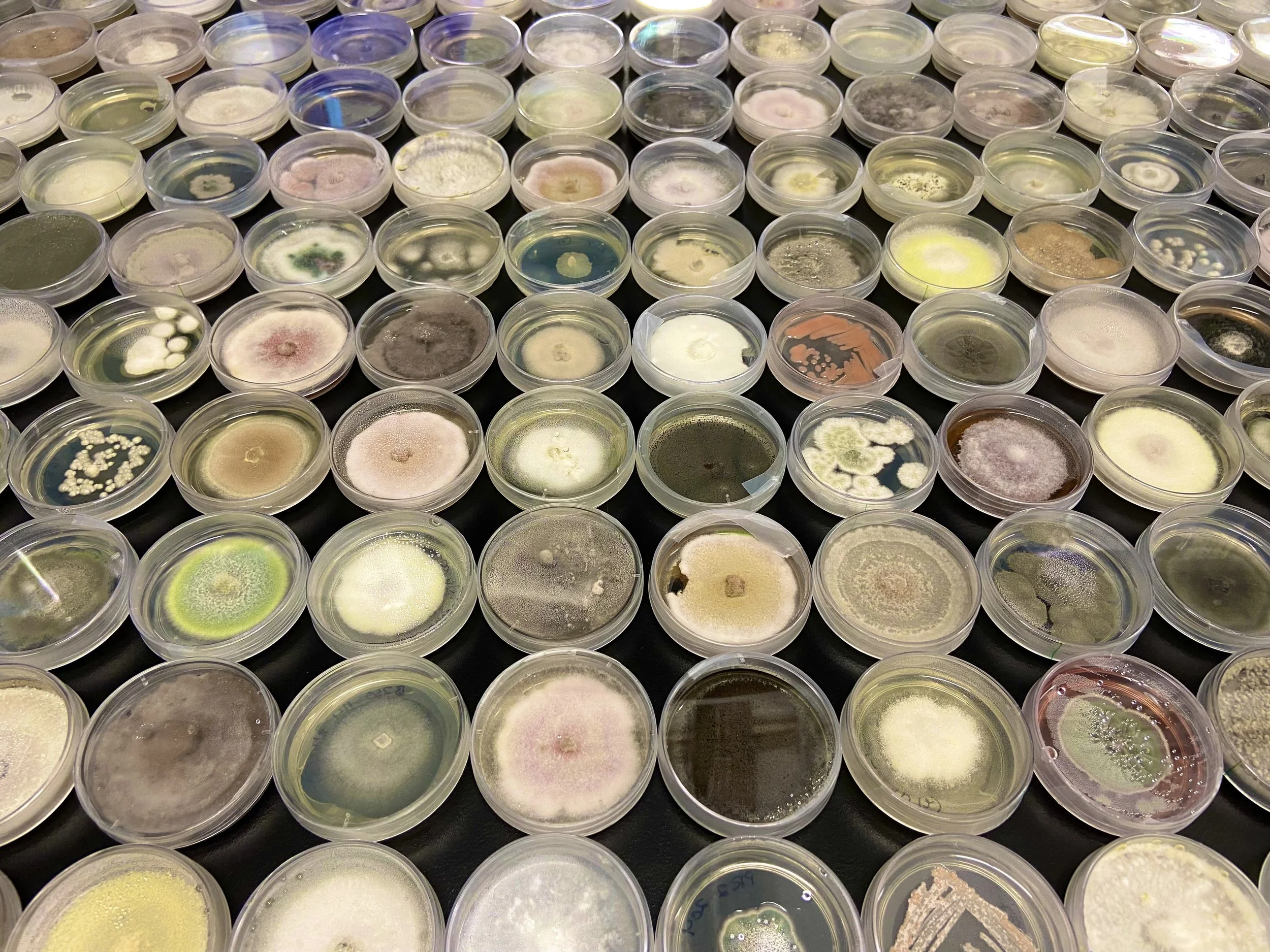
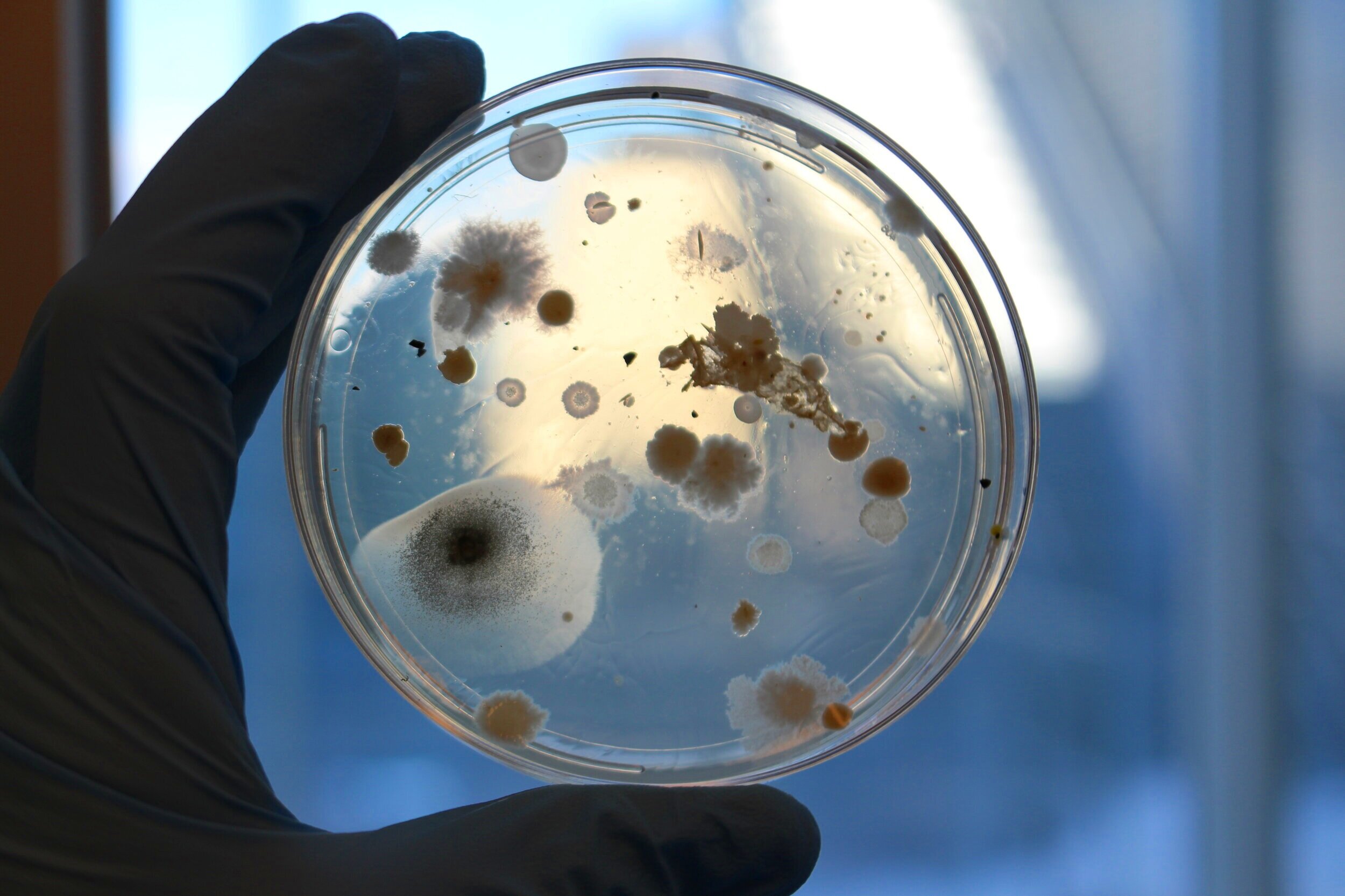
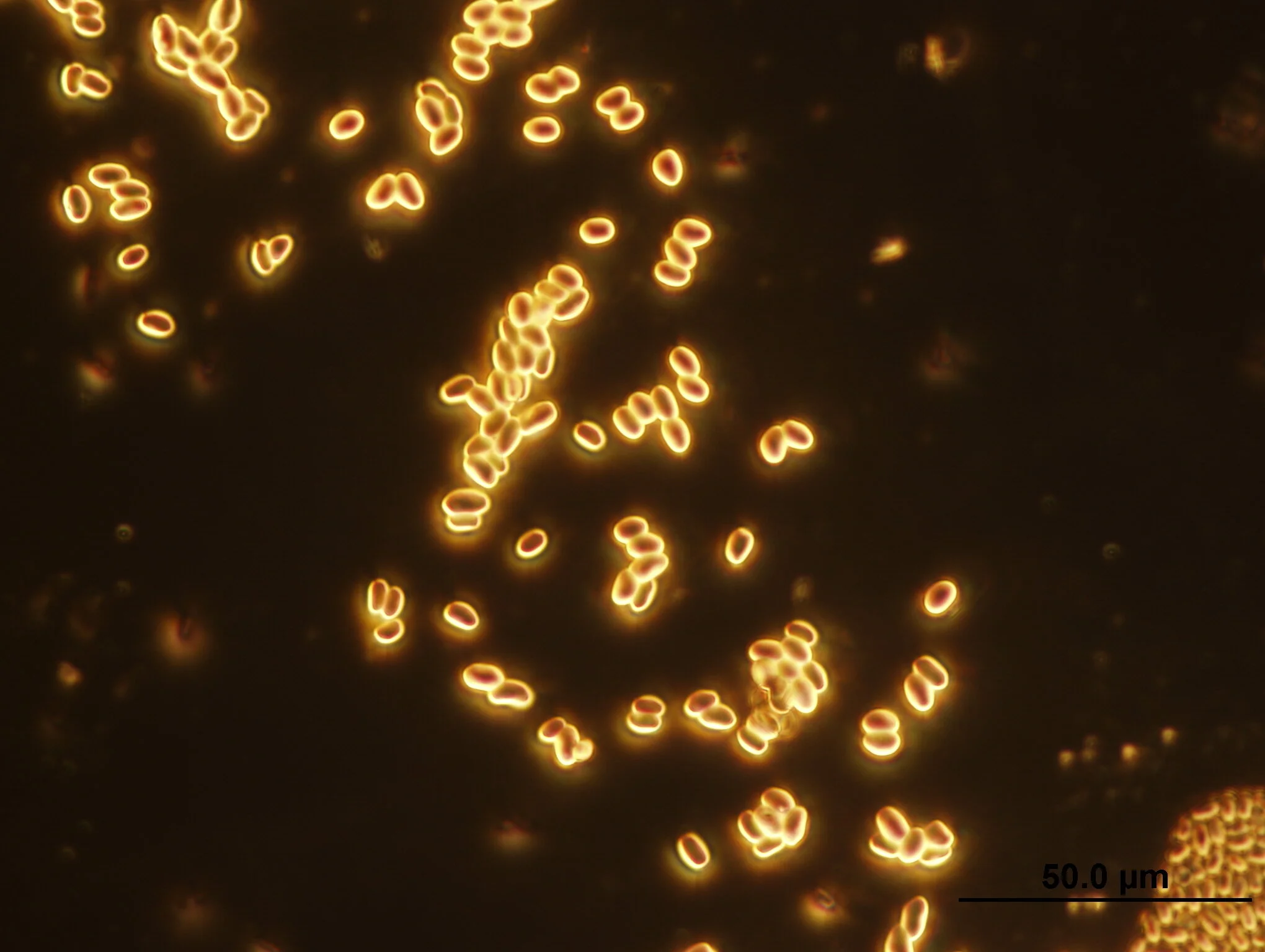
(Photo of isolated microbes by Tracy Debenport).
Our Project
A project of The Microbe Institute
Goal 1: Field Research to Find New Microbes
Our primary research goal is to identify new microbial life for off-planet applications. We will do this by visiting unique habitats, including sites in the Peruvian Amazon associated with the Boiling River and Salt River. ‘Extreme’ habitats such as these are likely to have fostered the evolution of microbes particularly resilient to stressful environmental conditions. These microbes are disproportionately likely to provide useful insights for off-planet applications, where environmental conditions are similarly stressful. In the field, we will sample water and soil from these areas and record environmental data on their habitats. In the lab, team members will isolate and characterize microbes (initially targeting filamentous fungi) from these samples. Other sampling locations will likely be added in the future. Our intention is to publish our results in a peer-reviewed journal. Links below showcase some of the past research efforts of some of our team members.
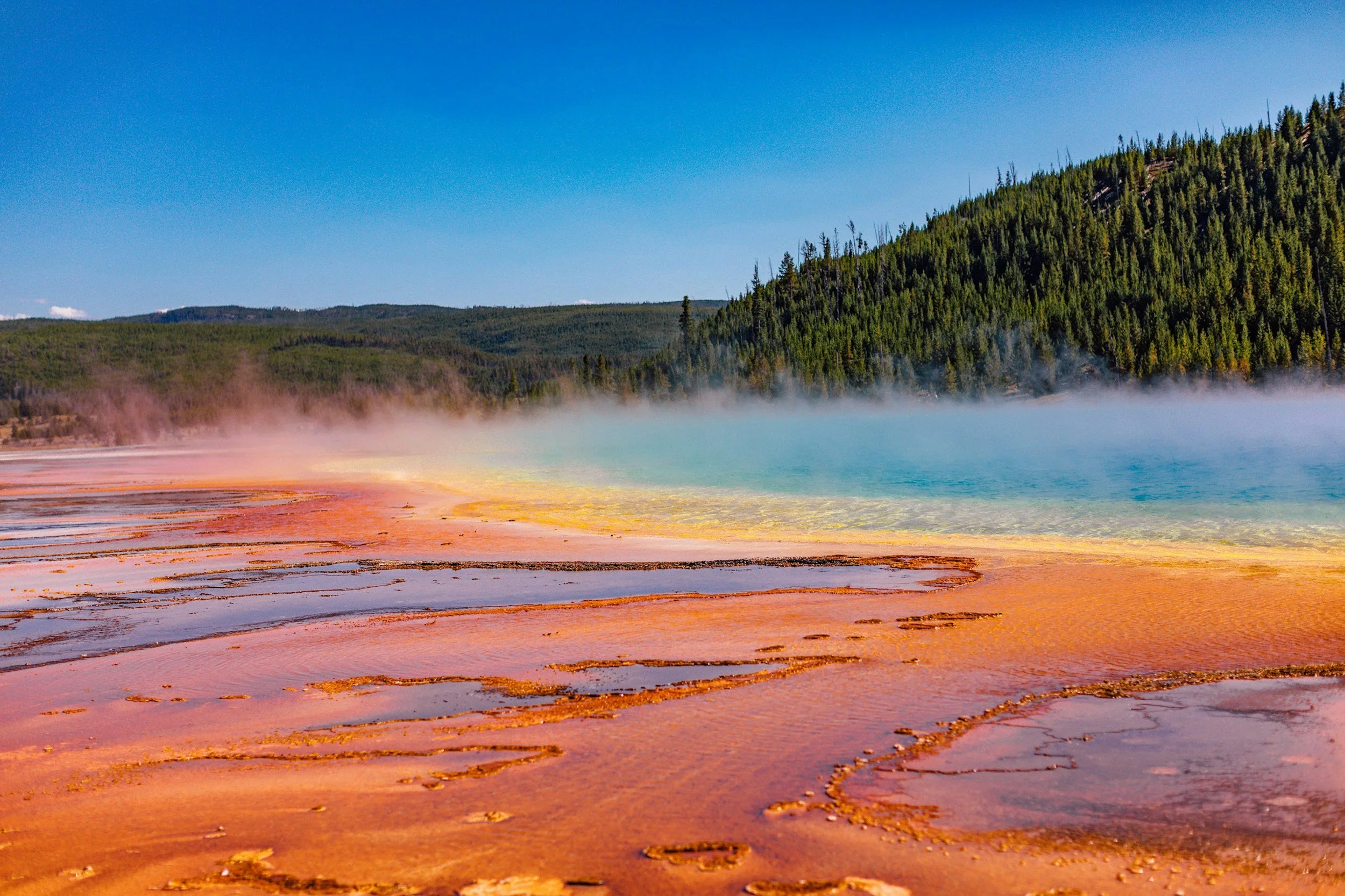
(Photo is of a geothermal location in the USA. This region is where scientists identified a heat-tolerant microbe that led to the development of modern PCR technology.)
Goal 2: Supporting Conservation via Outreach
Habitats such as the Peruvian Amazon are under threat from development and deforestation. This is partially an awareness issue. To enhance conservation efforts, we will produce outreach and education materials that share the story of our research, surface the narratives of the various communities associated with these unique habitats (including our local research collaborators), and reveal the interconnected nature of animals, plants, and people through a microbial lens. This will result in an open-source ebook, and possibly, a virtual reality gallery, in keeping with what we have produced with collaborators as part of past research expeditions.
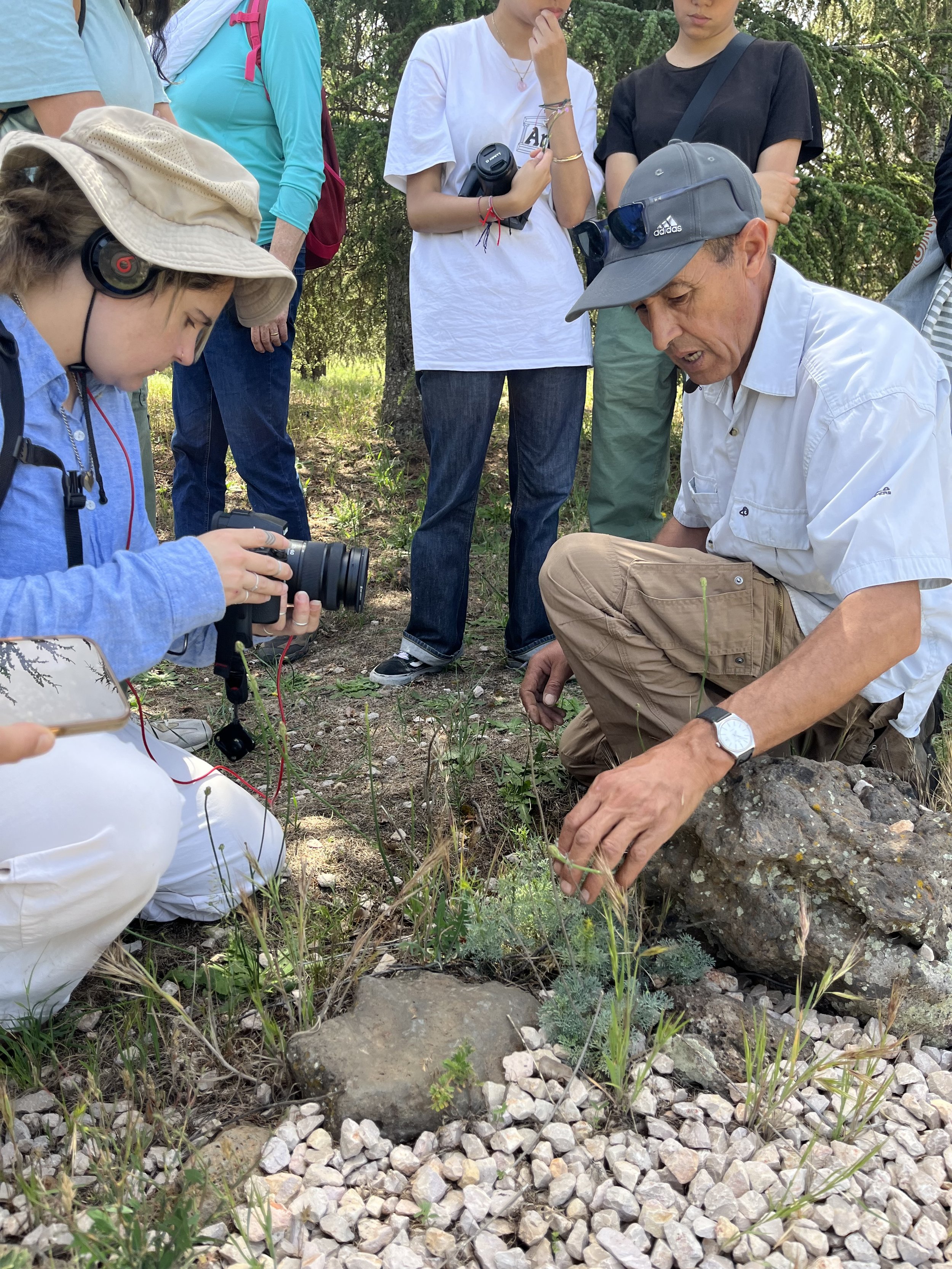
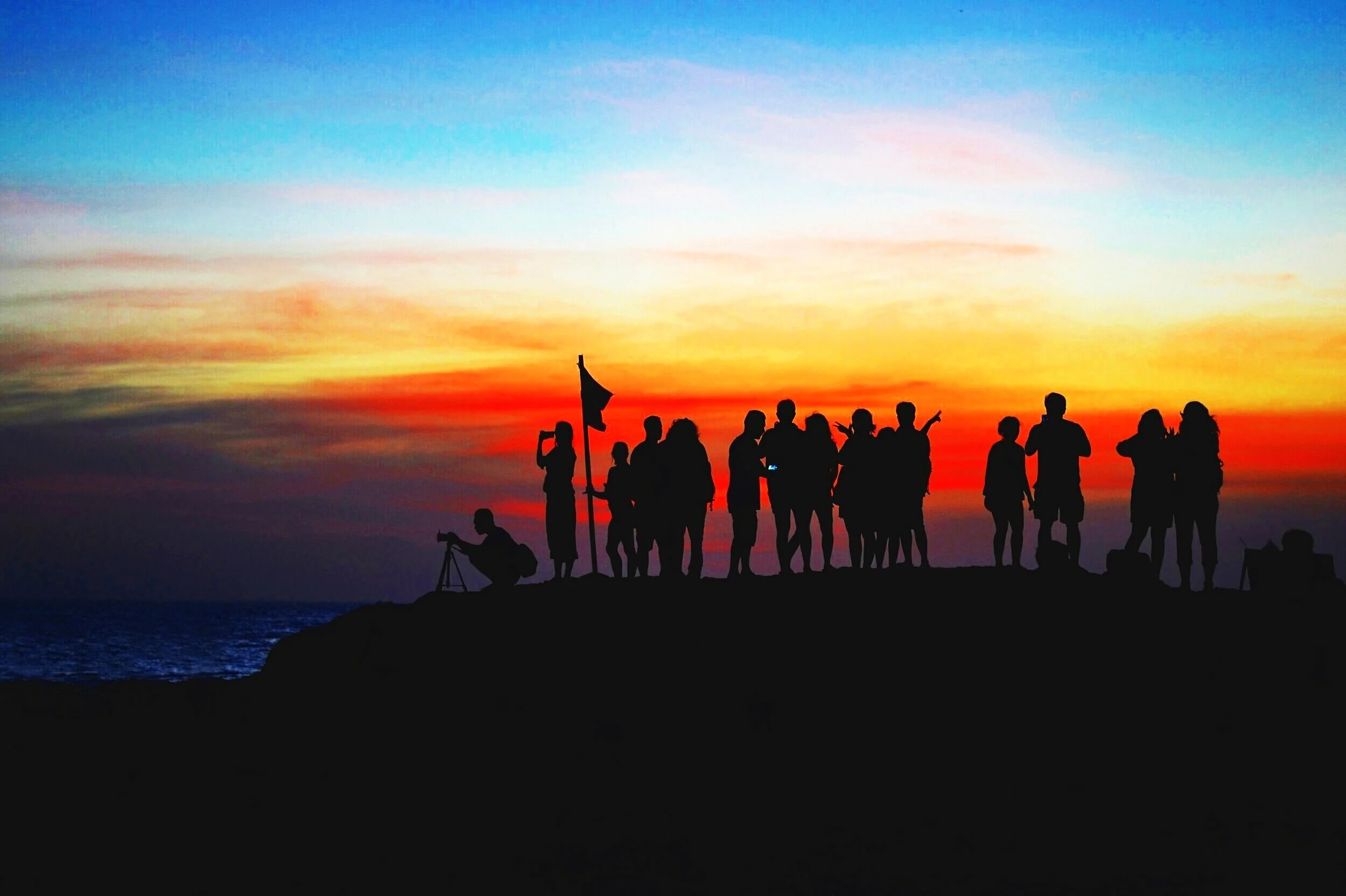
(Photo of our team recording a local naturalist in Morocco as part of a research expedition to identify new sources of natural dyes from microbes and plants)
Our (Initial) Team
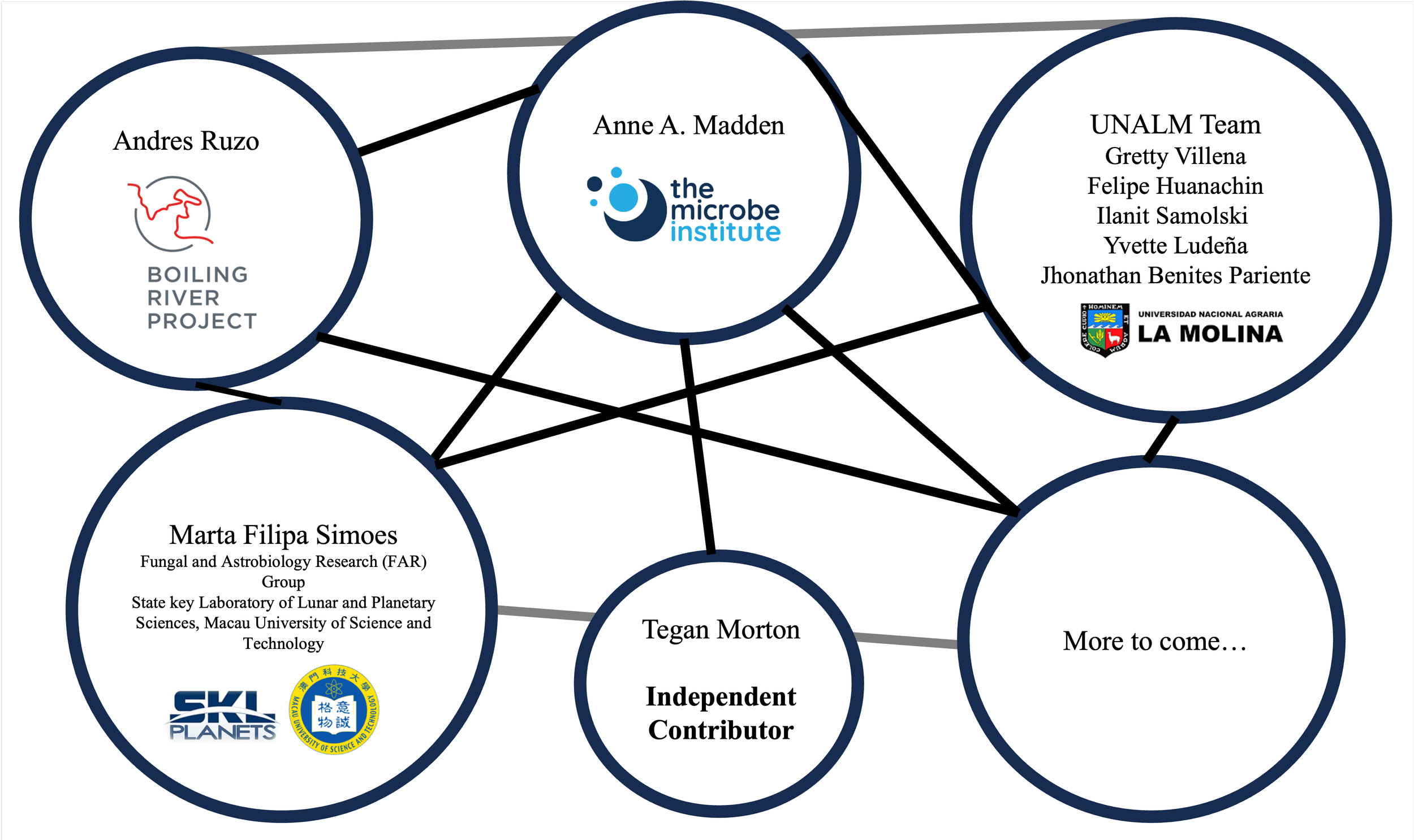
This project is made possible through the incredible work of the entire team, which currently spans three continents. This network diagram shows some of our initial members—with more to be added soon (the circle sizes of the organizations are arbitrary, and this network is for illustrative purposes only). At this time, the nature of this network, the research, and the specific goals of this project are still subject to change based on the capacities, priorities, and constraints of our partners (and our field conditions, access to equipment, and funding).
More information about our network and links to their efforts are coming soon!
Preparation for the 2026 Field Season
The Boiling River Expedition Summer 2026

Research Field Work
As volunteer field assistants, you will be helping our sub-team, and the broader micro/fungi/mushroom team—co-led by Felipe and Avi—survey the microscopic and macroscopic microbial life of different sites in and along the Boiling River. For project Fungi, this may include gathering samples of water and soil, taking environmental measurements of pH, temperature, etc., recording measurements called out by other team members, or taking photos of the sites (at different scales.) These specifics are still being worked out, and will be ultimately determined by permits, field conditions, and available equipment.
These photos and data may be included in future research publications. Your support will be mentioned in the acknowledgments of our publications. As a reminder, research publications can take years to generate and publish, so this project will require patience.
Sample, measure, record & photograph
Outreach
As part of our broader outreach efforts, we will work with you to record field site observations, capture narratives from the broader team and community members, and contribute to our ebook in various ways, depending on your level of interest. You are all fantastic storytellers, and I’m sure we will be able to make this project inspire action across global communities.
Observe, interview, record & photograph


Pre-reads, Equipment, & Trainings
READ
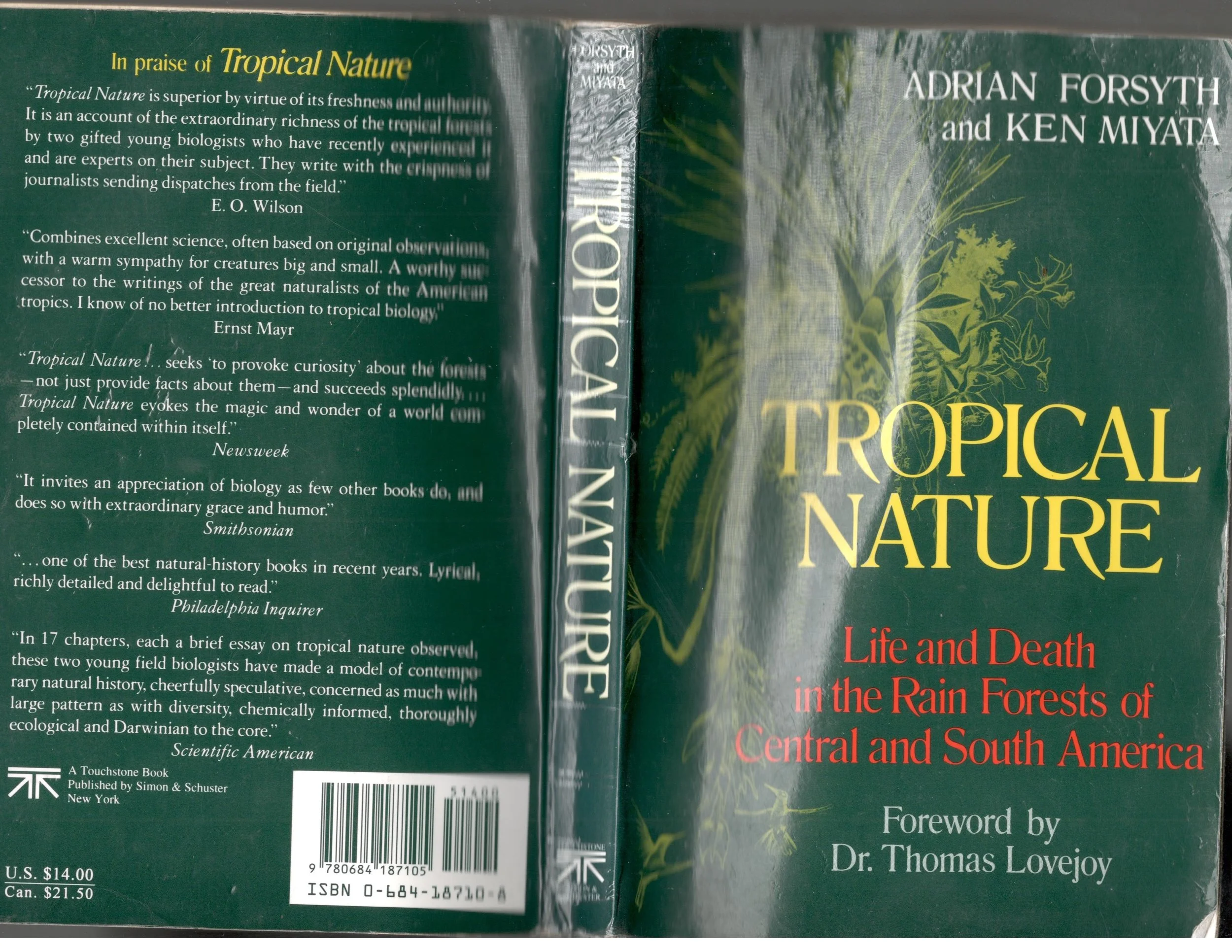
While I (Dr. Madden) have not conducted research in the Amazon, and will rely on the amazing expertise and experiences of our broader team members (especially Felipe, Avi, and Andres) to provide guidance on these sites, I do have over two decades of experience as a researcher and instructor on undergraduate and graduate research programs in the wet and dry tropics of Central America and the Caribbean. As part of these past courses, I always recommend students from the temperate zone read Tropical Nature. It helps describe why the tropics have such unique habitats and biological diversity. A few sample chapters are provided below.
An introduction to tropical rainforests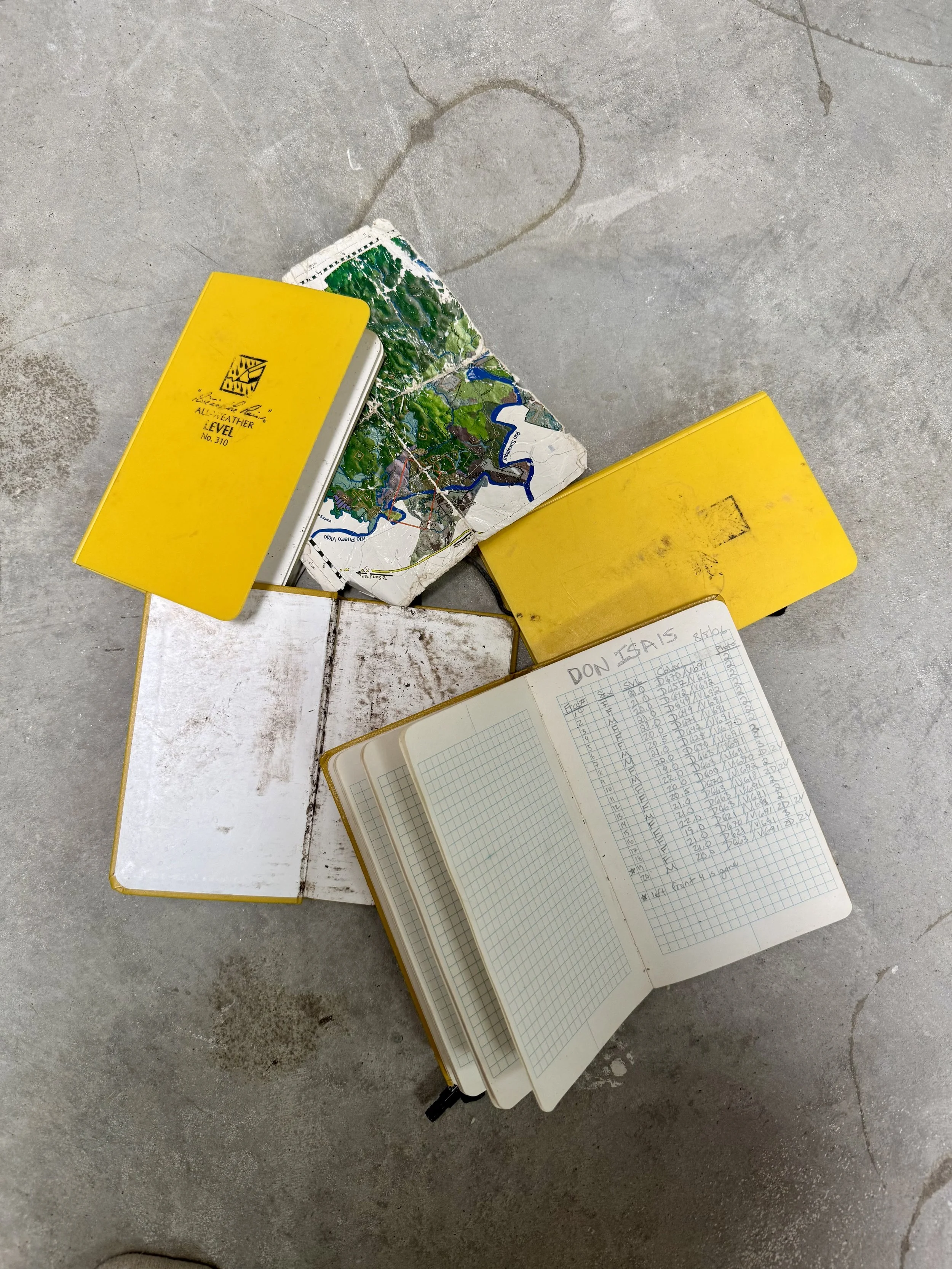
PURCHASE
As part of this expedition, you will receive training in keeping a field notebook. This notebook will help you record observations, data, and questions (across all projects in the broader expedition). It will be your record of this trip and serve as a valuable tool when memory fails. It will also help occupy your time (as field research often involves a lot of ‘hurry up and wait’ moments). While you do not have to purchase this specific brand of journal, I highly recommend it. This notebook and pencils (or specialized pens) will enable you to record valuable data in a habitat where normal paper sometimes dissolves. No other pre-travel specialized equipment is necessary for you to be a part of this research.
A rite-in-the-rain notebook
LEARN
Learn about the challenges of 'parachute science' and biopiracy, and what we're doing to address these issues in order to create the most (positively) impactful science possible.It is our duty as ethical scientific researchers, particularly as global researchers (including volunteer researchers), to learn about responsible field research practices. These practices ensure we are empowering the highest-quality explorers and building the most robust planetary-scale projects possible.
I (Dr. Madden) ask that everyone take a short “sprint” certificate training (likely less than an hour of your time) on Responsible Research Practices for Global Citizen Scientists and Research Volunteers in order to learn about these topics, our collective history, and how this information shapes our work moving forward. As members of this team, you will gain early access to this new (free) certificate program, but you will also have the opportunity to help improve it as named contributors (if you would like) before it is launched globally. MORE INFORMATION ON THIS—EASY AND LOW-STRESS—TRAINING COMING IN THE FUTURE!
Ways we, as an organization (at The Microbe Institute) and this team, are addressing these topics in our current research expedition:
We are a multinational team that includes project partners embedded in the geography we are visiting and sampling. All project partners will be included in publications and outreach associated with this project. We will strive to share credit generously.
While our research is science-focused, we will do our best to surface the voices of non-scientists who are members of the communities most local to where we are sampling.
We will be abiding by all regulatory permits and associated institutional material transfer authorizations related to samples and use of data and materials originating from our field sites. We understand it is our responsibility to ensure these samples have information (metadata) associated with them that makes it clear and obvious to current and future lab members and colleagues that the data that come from these samples have explicit and enduring regulatory compliance requirements.
We will abide by the Nagoya Protocol, which ensures that local communities have sovereignty over the material, organisms, and genetic material that originates from their lands and have access to this technology. This protocol is part of a broader international treaty on conserving biological diversity and sets out obligations for its member parties to take measures regarding access to genetic resources, benefit-sharing, and compliance. It is not our intention in this project to develop privatized resources, commercial technology, services, or other intellectual property based on these field samples or the genetic material therein. If we inadvertently develop technology as part of our research, we will ensure that this technology is returned to, and owned by, researchers within the country of origin (in the case of the Boiling River field sites, Peru.)
We will continue to facilitate capacity-building efforts across our partner labs and institutions, including creating communications to facilitate professional opportunities for early-career scientists.
We will be transparent about funding. Currently, this project is unfunded. It is supported by private donations from team leaders. If you would like to help grow this project through funding support, please contact us.
As a broader team of researchers and volunteers, we will work to share educational material on biopiracy and parachute science with broader audiences, as the underlying ethical issues now extend to other datasets beyond those in biology.


One Last Goal
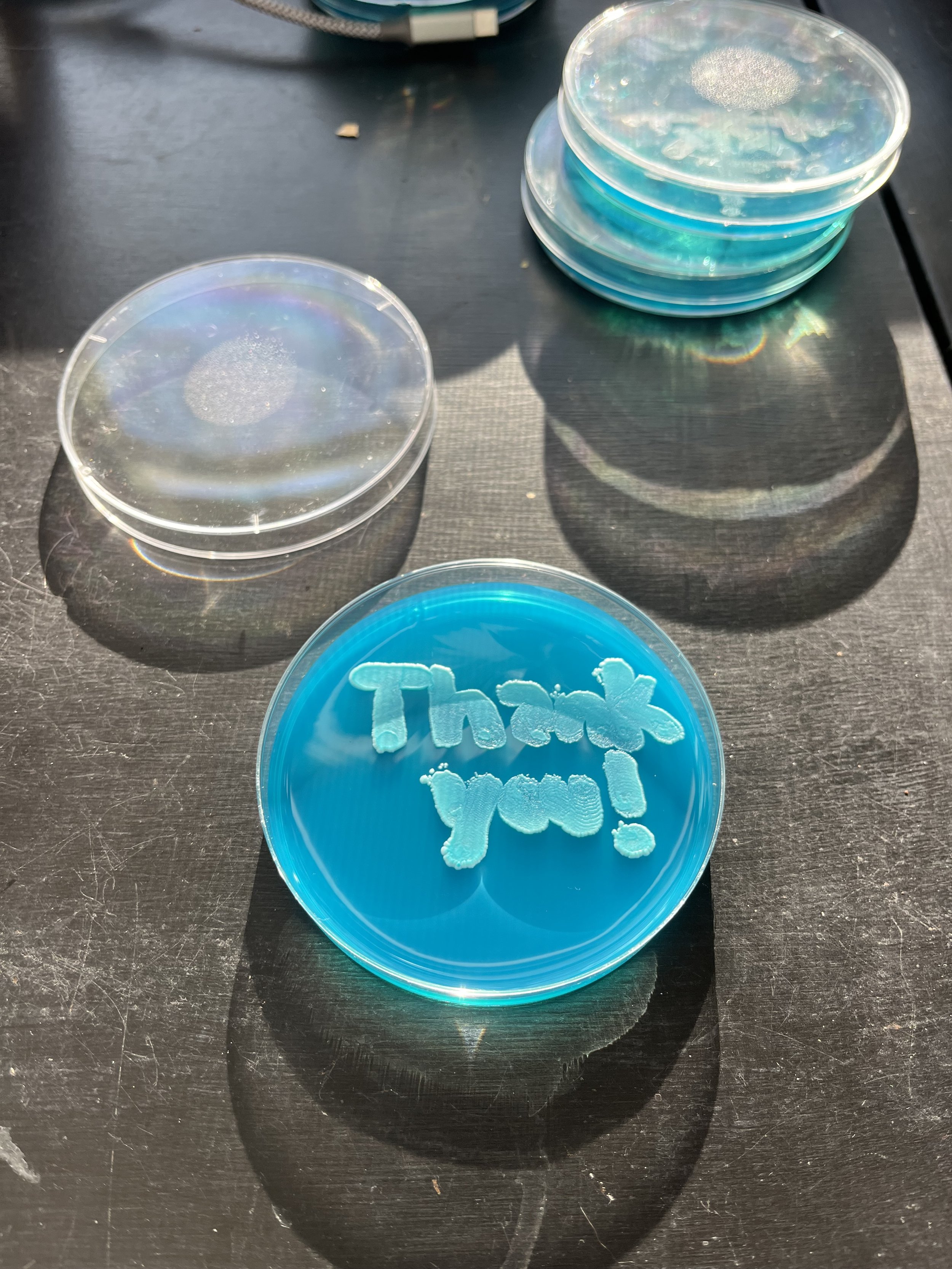
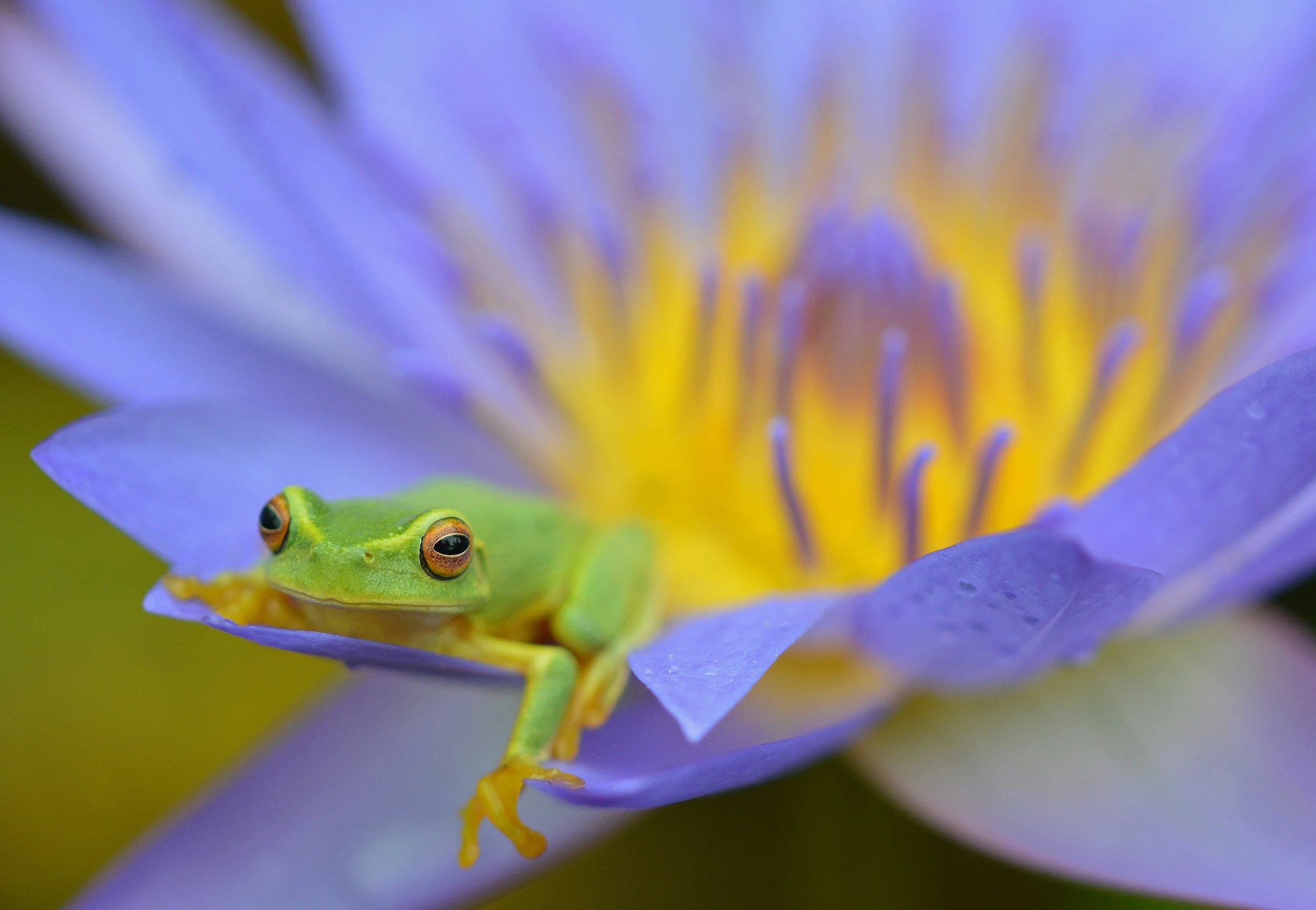
Each project we create at The Microbe Institute begins with a simple premise: by democratizing microbial discovery we can create a better future. We believe that by creating interdisciplinary and participatory microbial research, education, and art projects, we can build a future where everyone can explore microbial life around them, discover microbial technology to support our planet’s health, and be inspired by the microscopic realm. But like a ripple becoming a wave, each project grows. Often it grows in miraculous ways we can’t initially predict. For example, a collaboration to enable students to find uniquely purple microbes to protect frogs from disease (our Purple Microbe Project) led to our past Morocco Expedition to find new sources of natural dyes for the carpet-weaving community. This generative growth is made possible by remarkable microbes and highly creative and community-oriented people.
Therefore, my request for all teammates is the following:
Do your best to assist with the projects by bringing a positive attitude of curiosity, generosity, patience, and collaboration. In return, I promise we can engage in wonder, experience the elusive sense of awe, and indulge in a bit of whimsy along the way.
Be respectful of the people we work with, the habitats we venture into, and the creatures we engage with. Walk lightly, leave little trace, and take extra care not to stress the creatures that call these field sites home.
Goal 3: Ultimately, help us build something impactful and beautiful
Use your creativity, your experiences, your connections and wisdom to help us grow—and improve—this project in ways we can’t yet imagine. Together, we can show the world what can happen when people of different disciplines, countries, ages, and backgrounds connect over a shared purpose. We can achieve mighty things if we work together.
So, with your help, let’s explore the microbial cosmos of the Boiling River, gather insights that can help develop future off-planet technology, and reveal the stories of our expedition to conserve a remarkable place—all while helping future explorers build the knowledge pathways to create a better tomorrow.
I can’t wait to see you all in the jungle!!
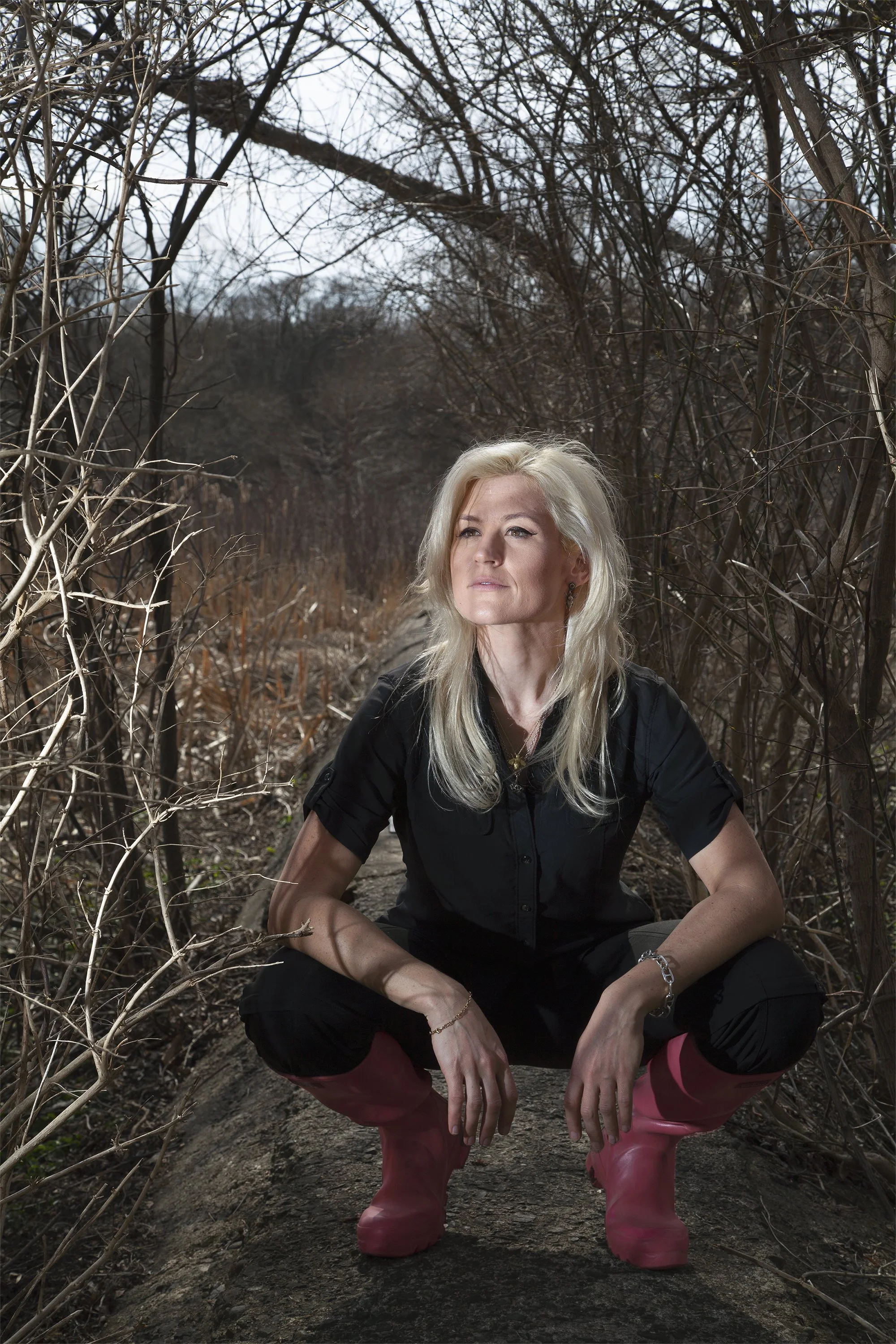
A bit more about me, Anne (your team lead in the field, along with Felipe and Avi) ….
I’m an award-winning scientist, 5x TED/TEDx speaker, National Geographic Explorer, and “Microbe Wrangler.” A bit more on my work can be found here:
While I have spent over two decades conducting research, during which I have published more than 20 peer-reviewed publications (on everything from poison dart frogs and tropical plants to eDNA studies on the arthropods of dust), named a new species to science, and changed how sour beer is made, I didn’t grow up wanting to be a scientist.
Instead, as a college student meandering toward a career in medicine, I had the chance to serve as a field research assistant in the wet lowland rainforest of Costa Rica.
It changed my life. Since that first trip, I have conducted research in the tropics on various animals, plants, and ecosystems, helped with various National Geographic research trips to uncover the mysteries of various creatures, and at least once, I was marched out of the forest at gunpoint because a group of forest security personnel was convinced my cowboy hat meant I was a jaguar poacher.
And each time I visit, I fall back in love with the jungle. It is my heart-home. I can’t wait to share this love of field research and the rainforest with you!
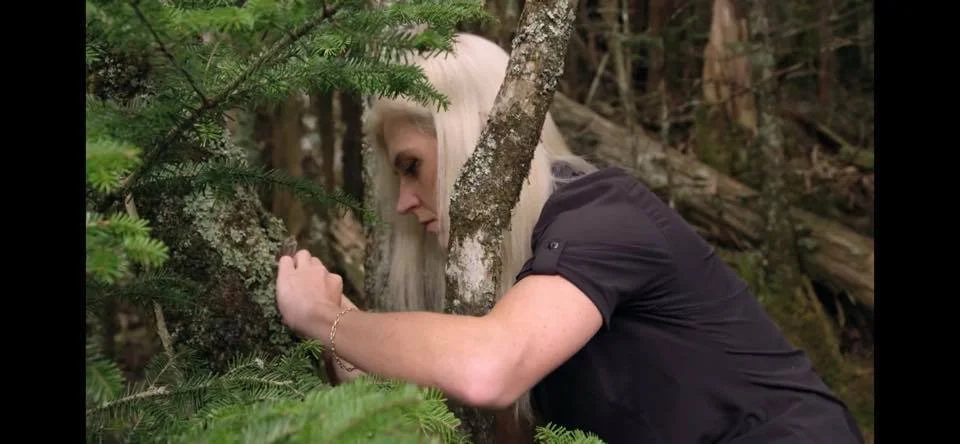
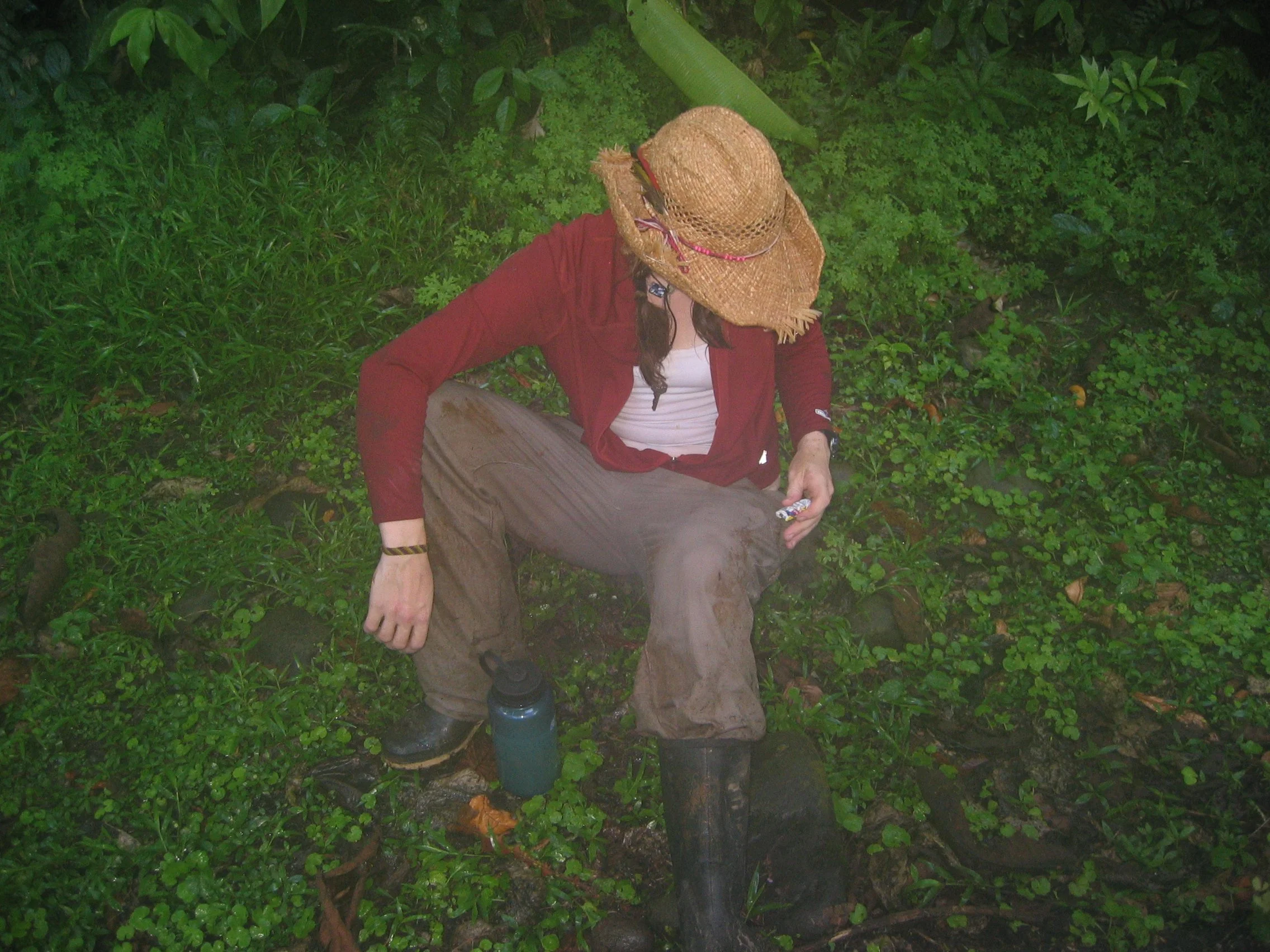
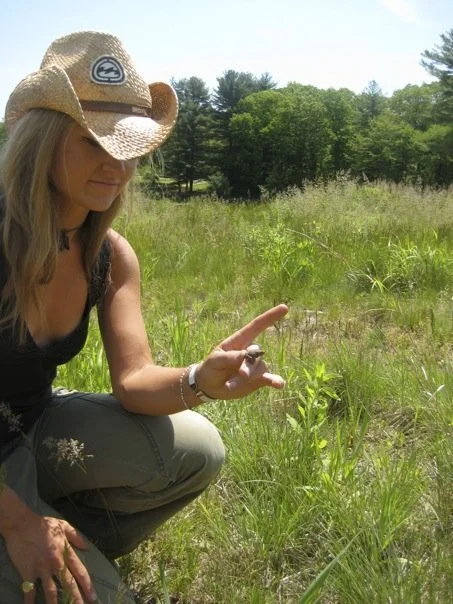
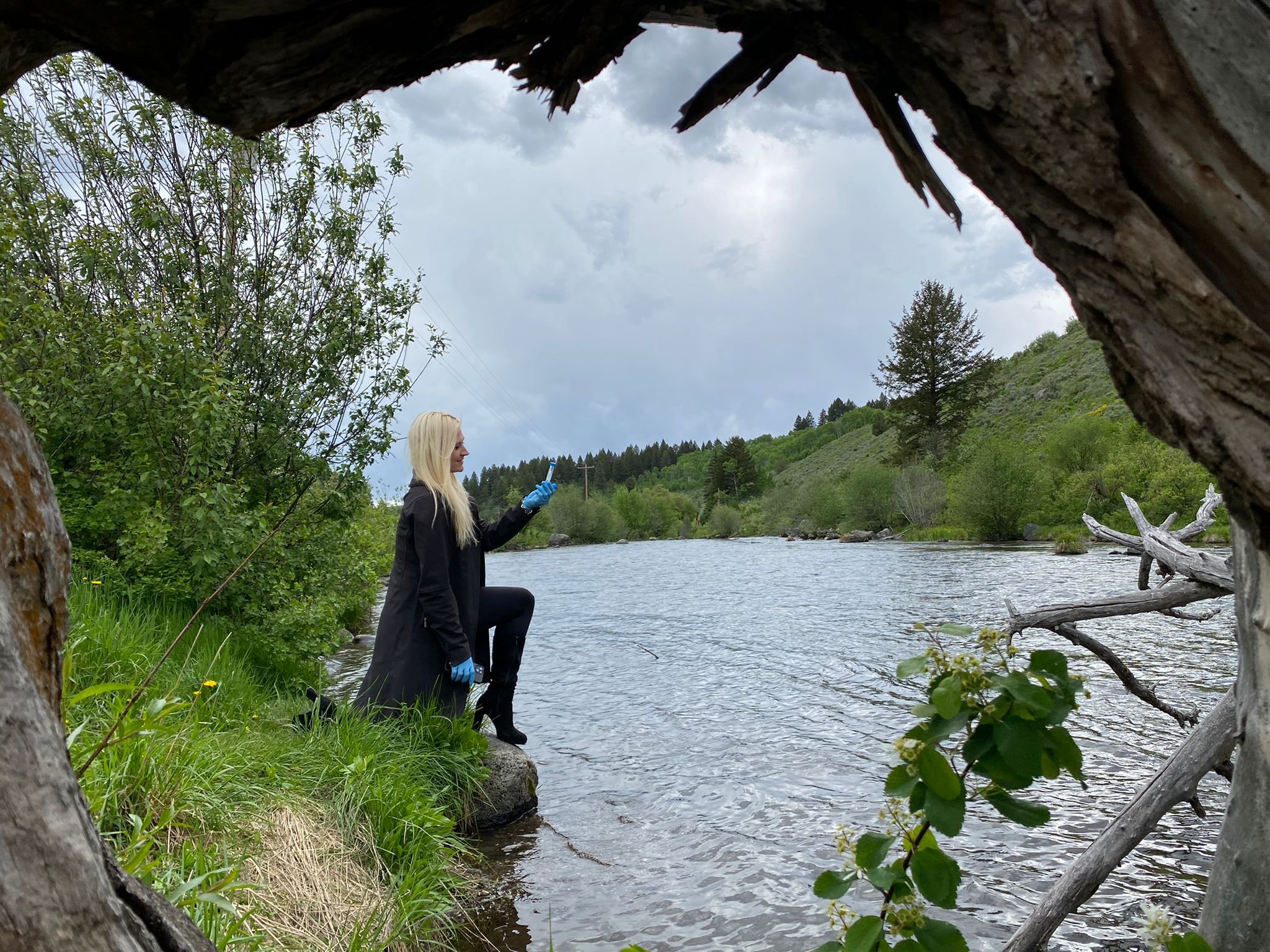
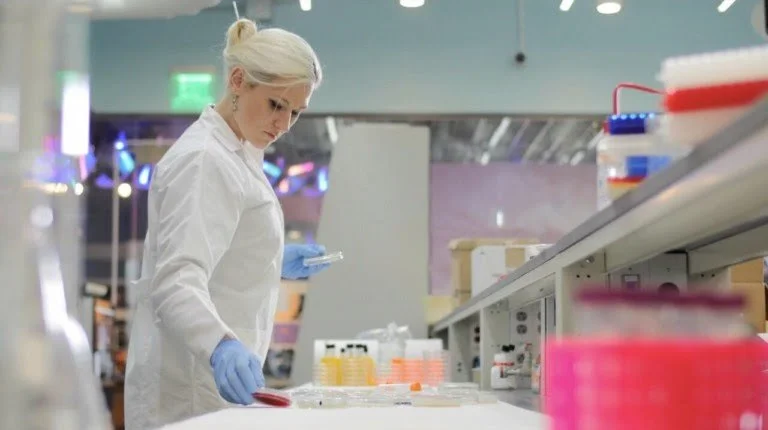
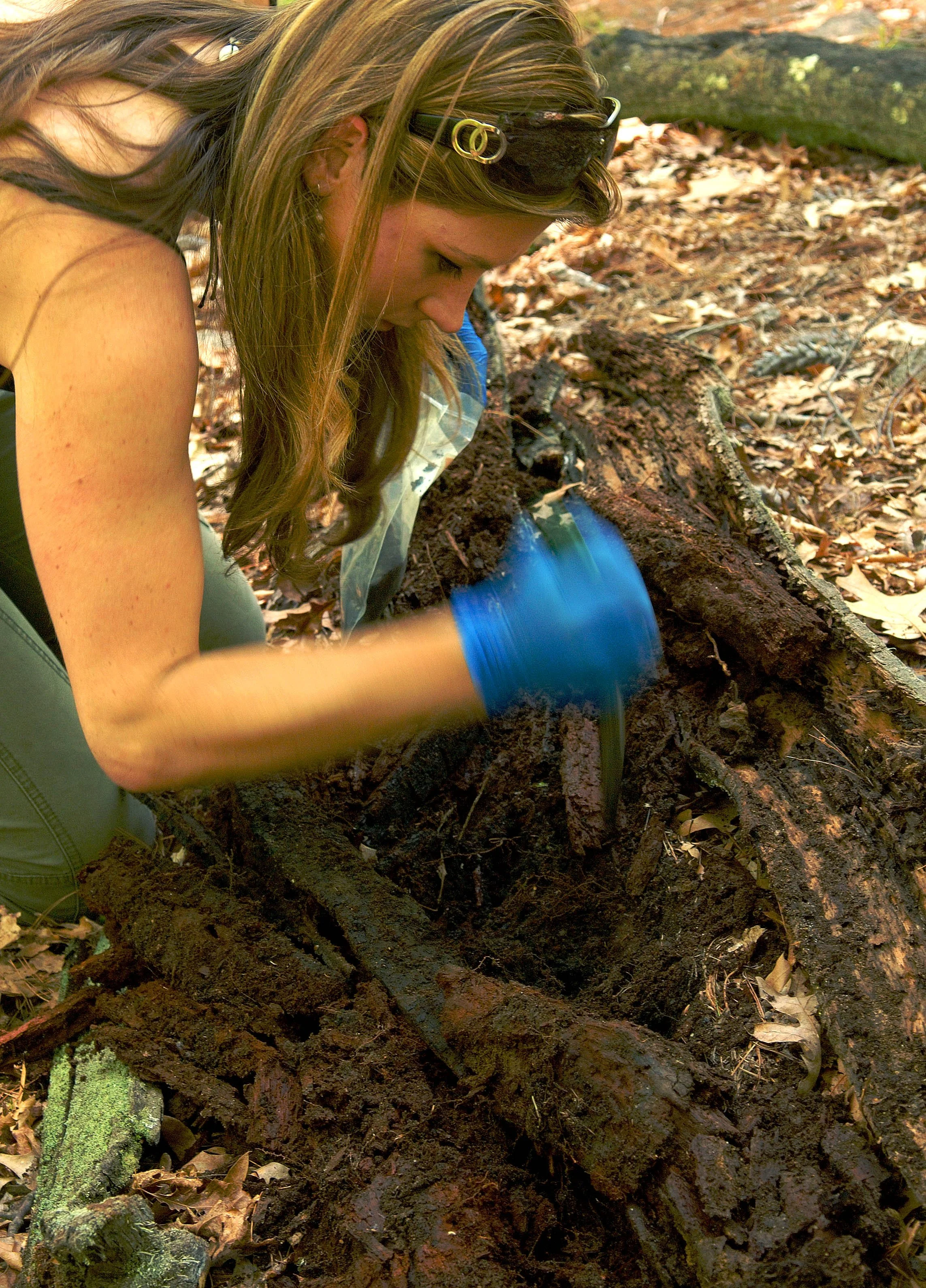
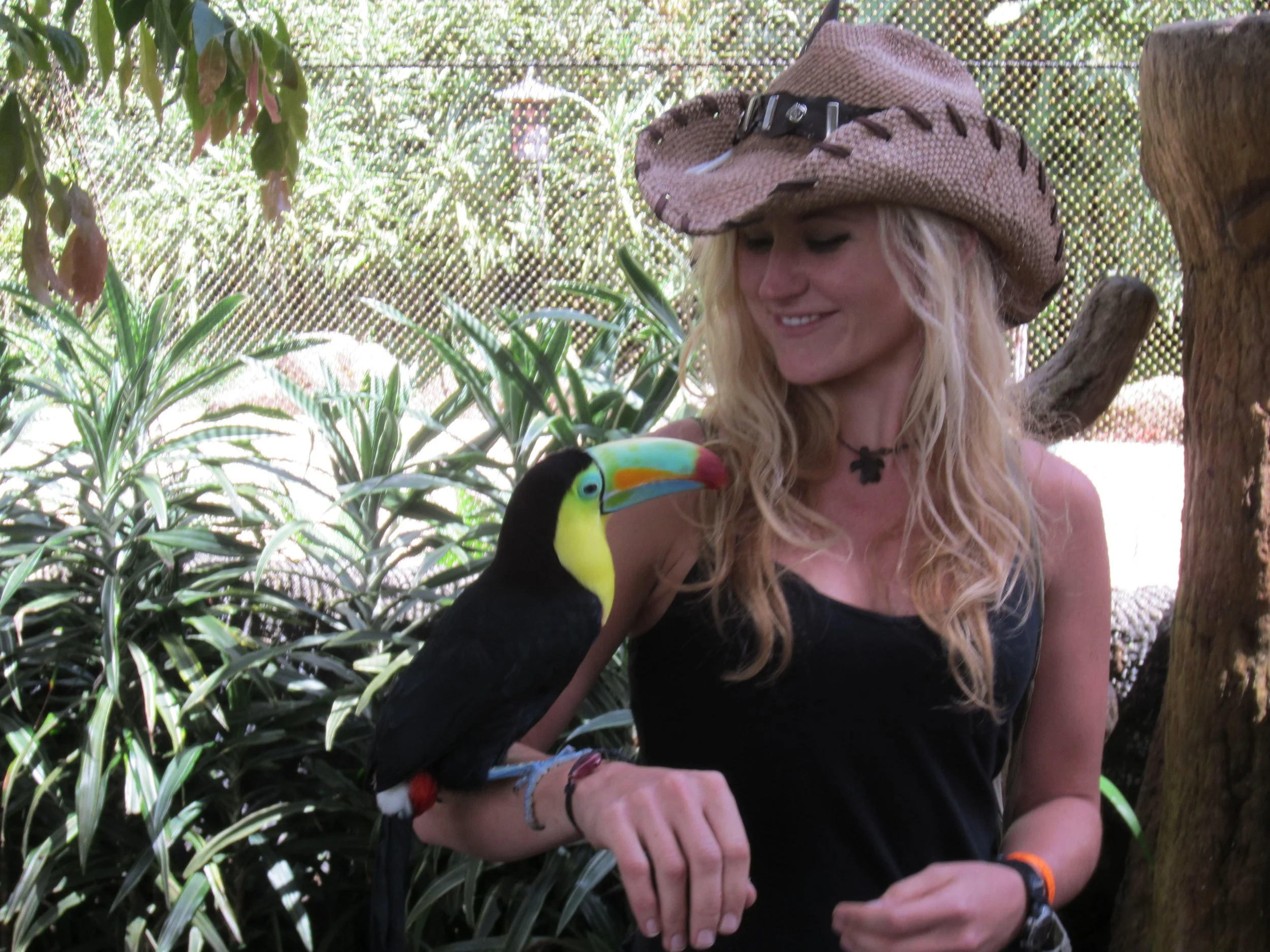
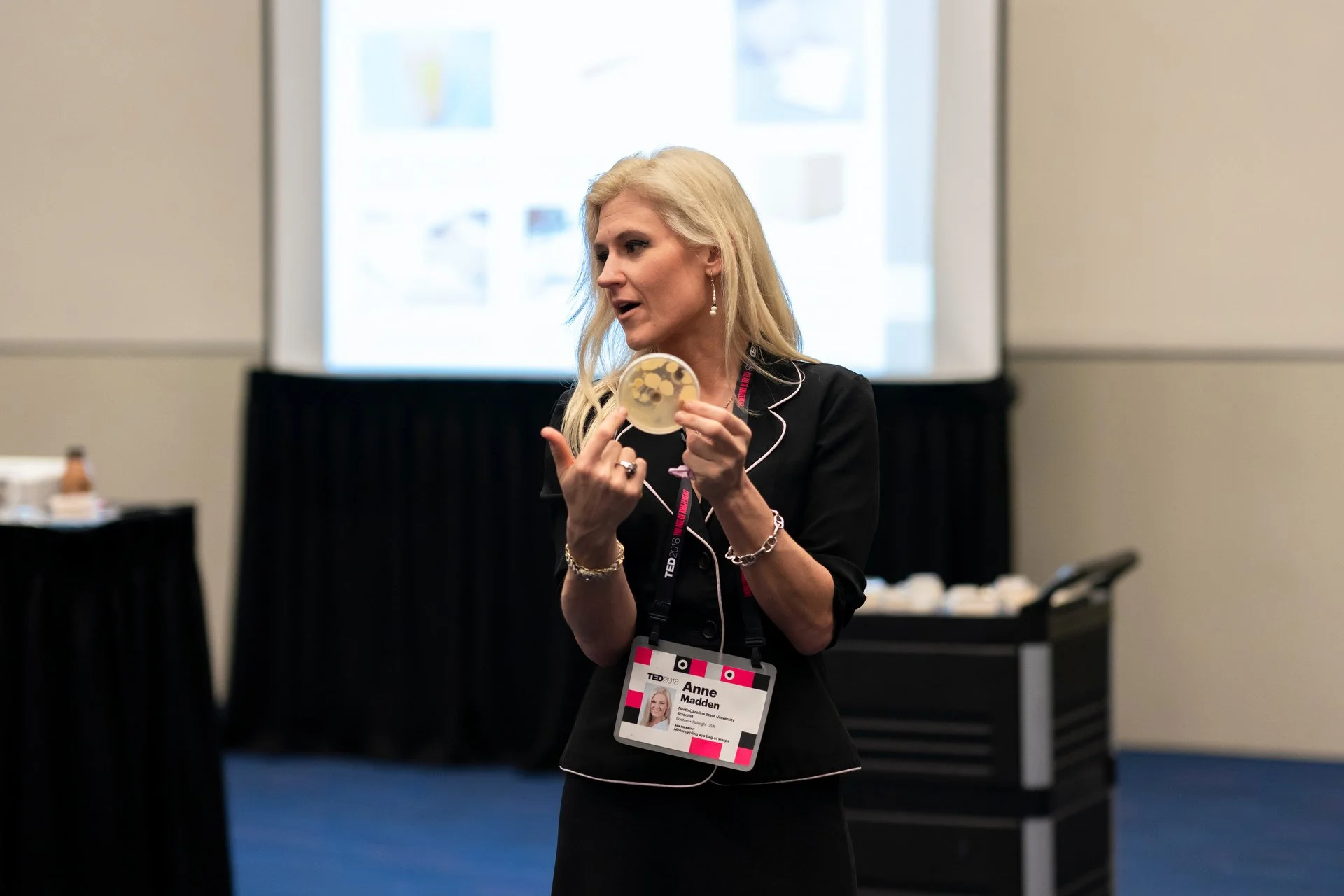
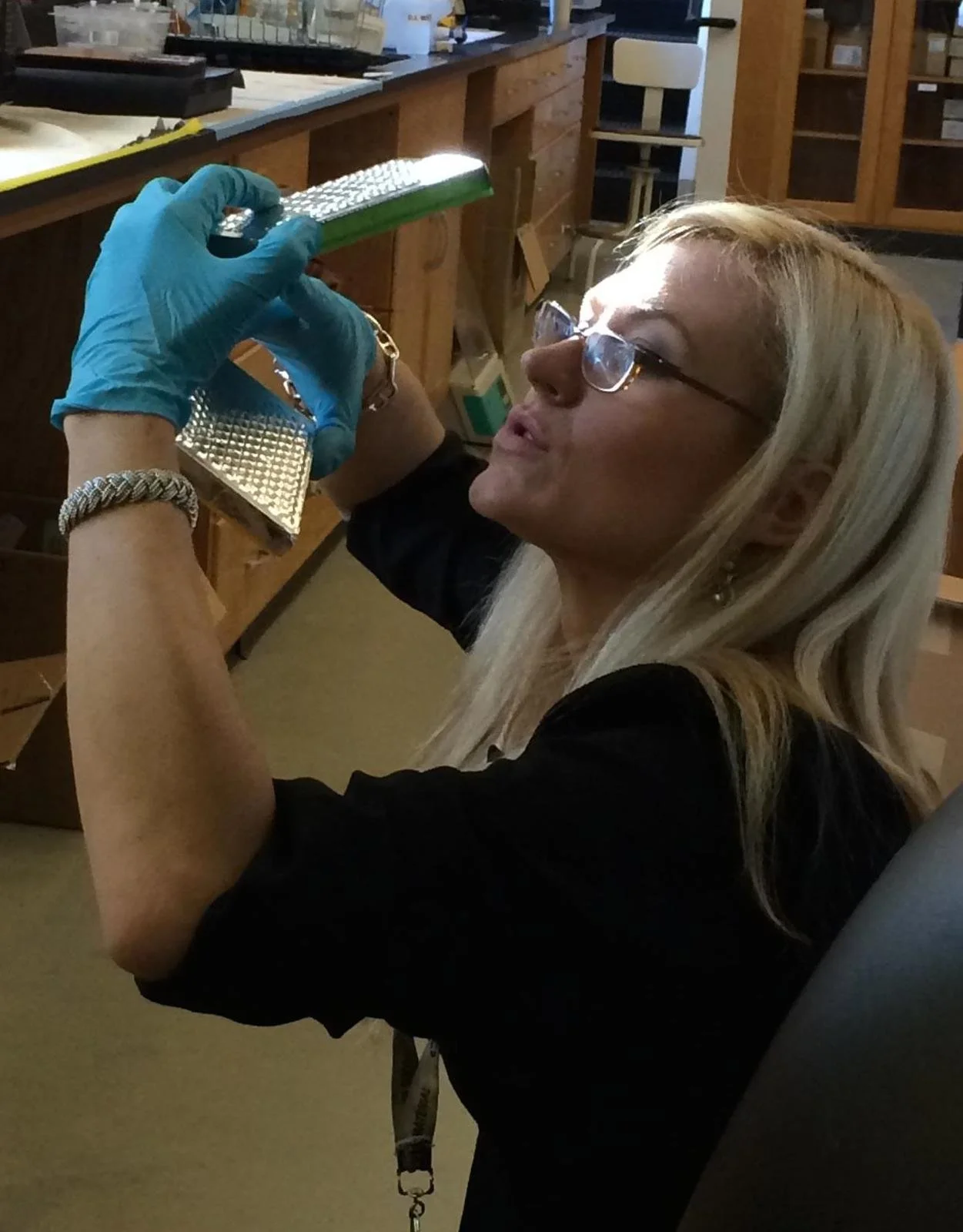
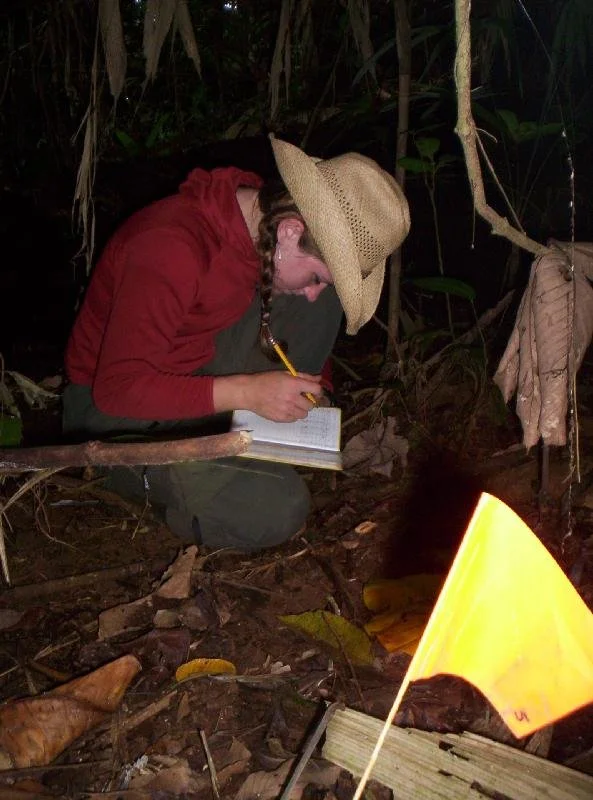
(Photos of me in the field and lab. Photos are courtesy of Dana Smith, Andres Ruzo, Smith & Nasht, Slava Epstein, Felipe Vega, Katie Lohmiller, Adrianne Madden, TED,, and various lab members over the years.)
A bit more about Felipe (field team micro-fungi-mushroom co-lead)
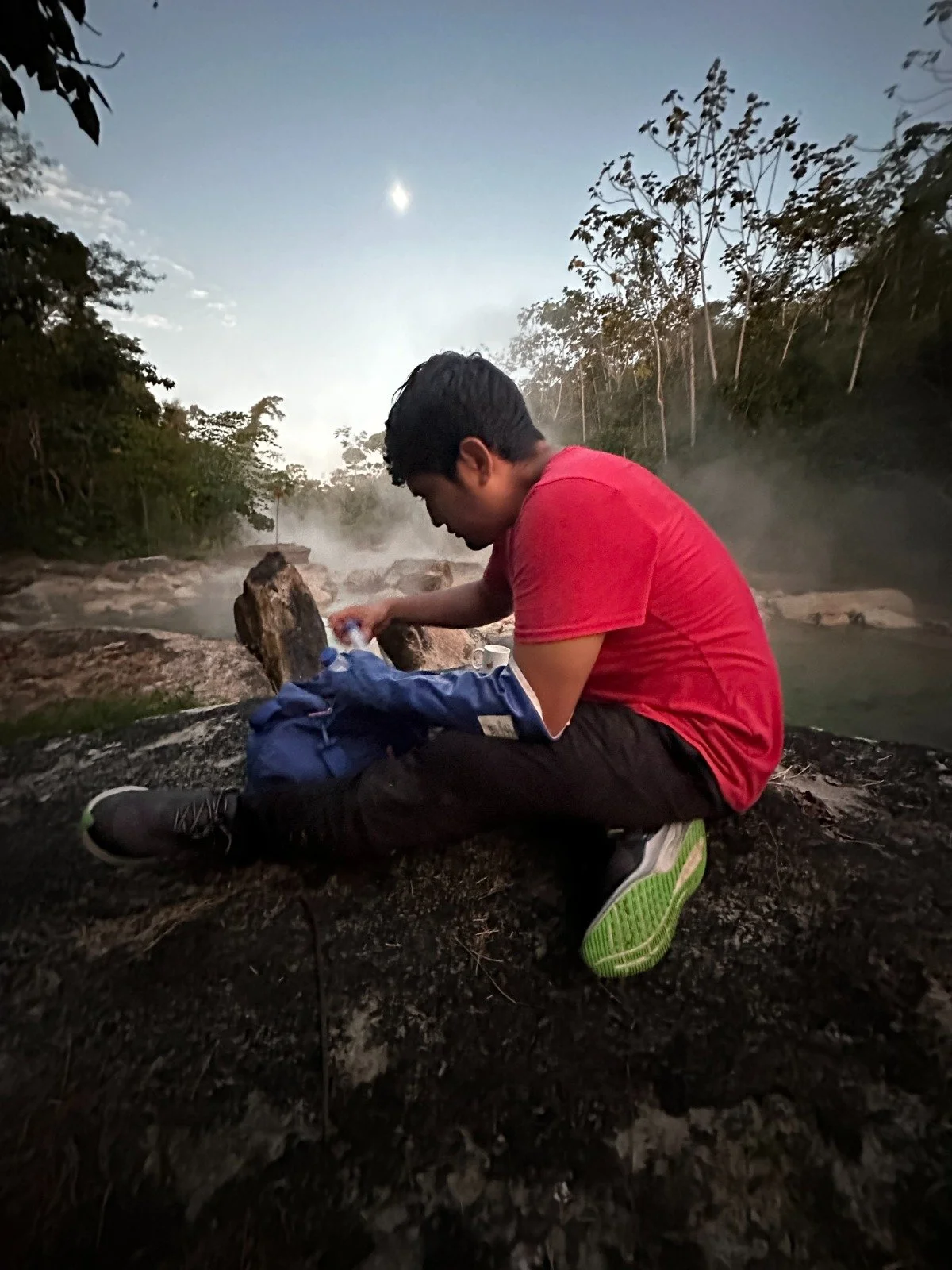
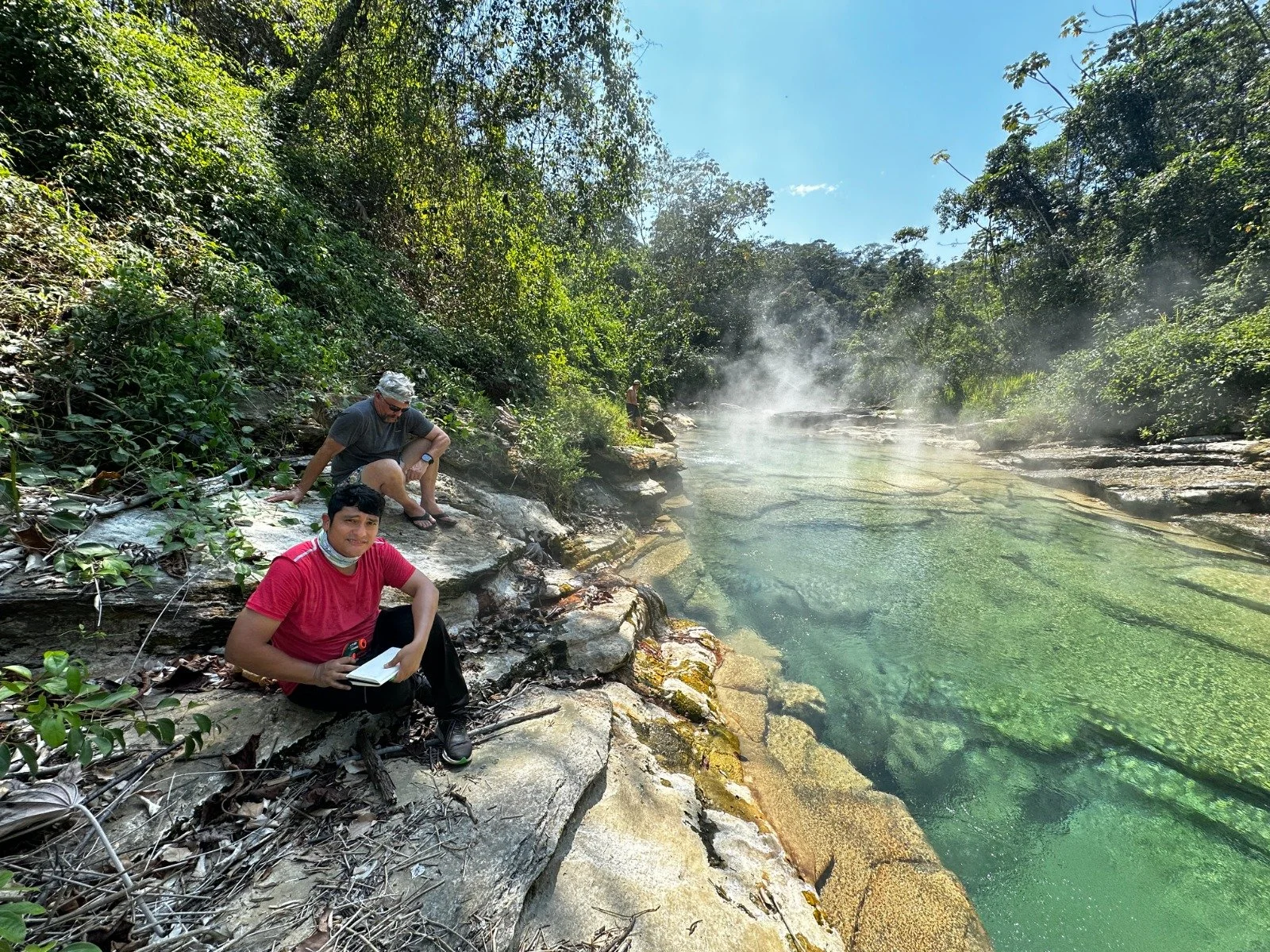
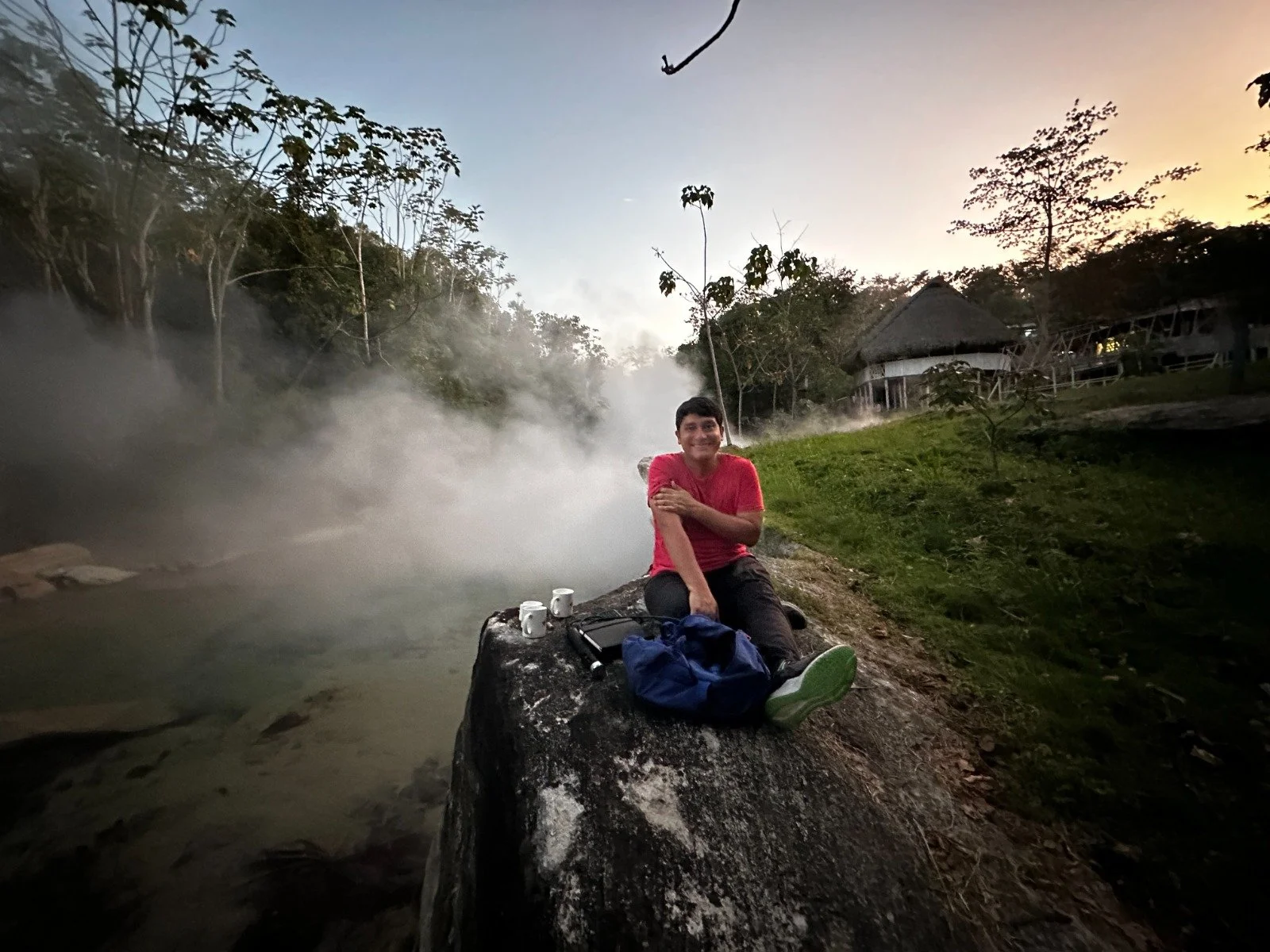
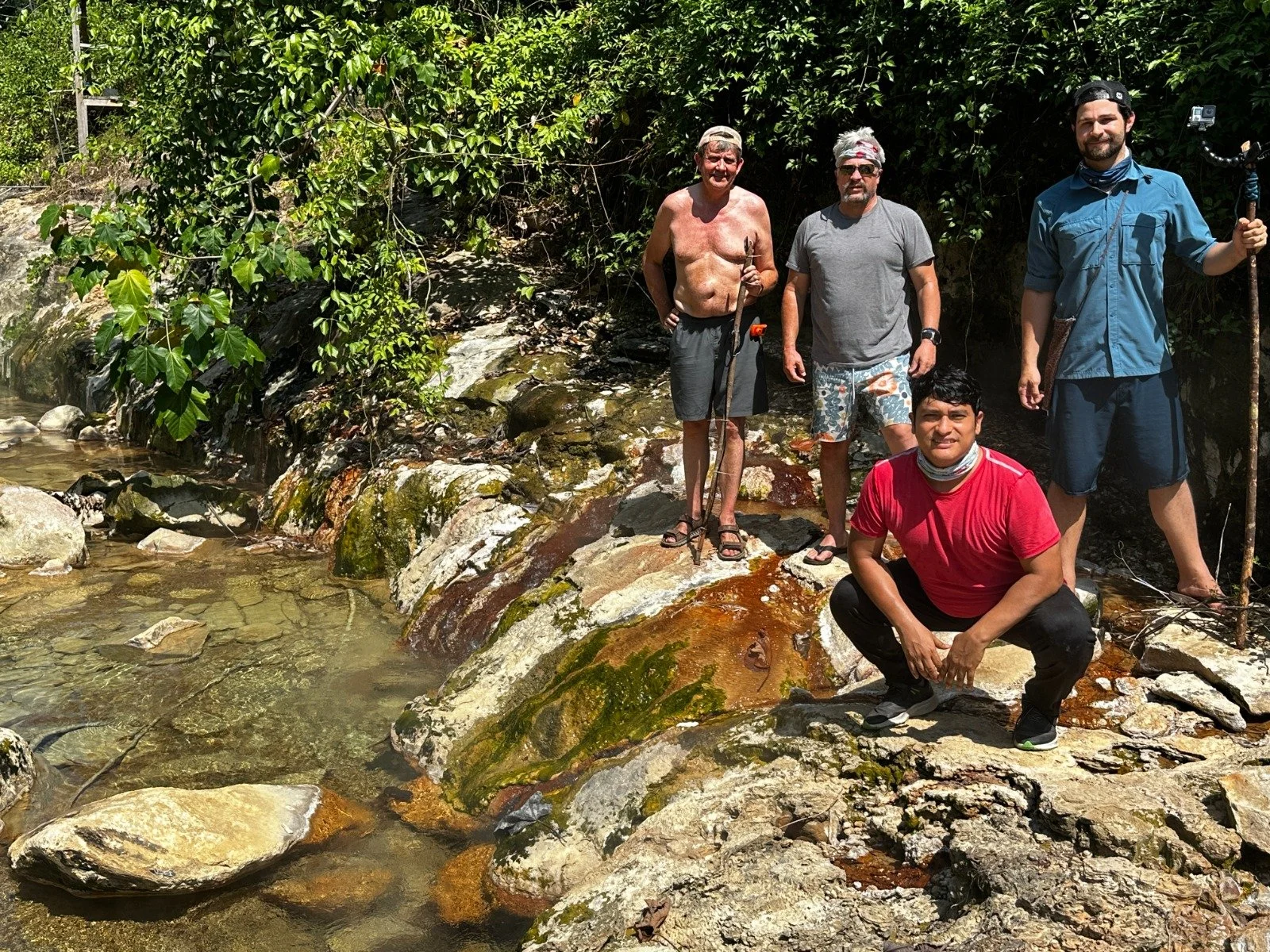
Felipe Huanachin is a Ph.D. Student at UNALM in Lima, Peru. His dissertation focuses on surveying and characterizing the diversity of bacterial and fungal life—with an emphasis on basidiomycete fungi—of the Boiling River area using molecular and cultivation-dependent techniques. He has experience working with various sample types, including water, sediment, rhizospheres, and fungal fruiting bodies. He is also characterizing the cyanobacterial mats of the Boiling River.
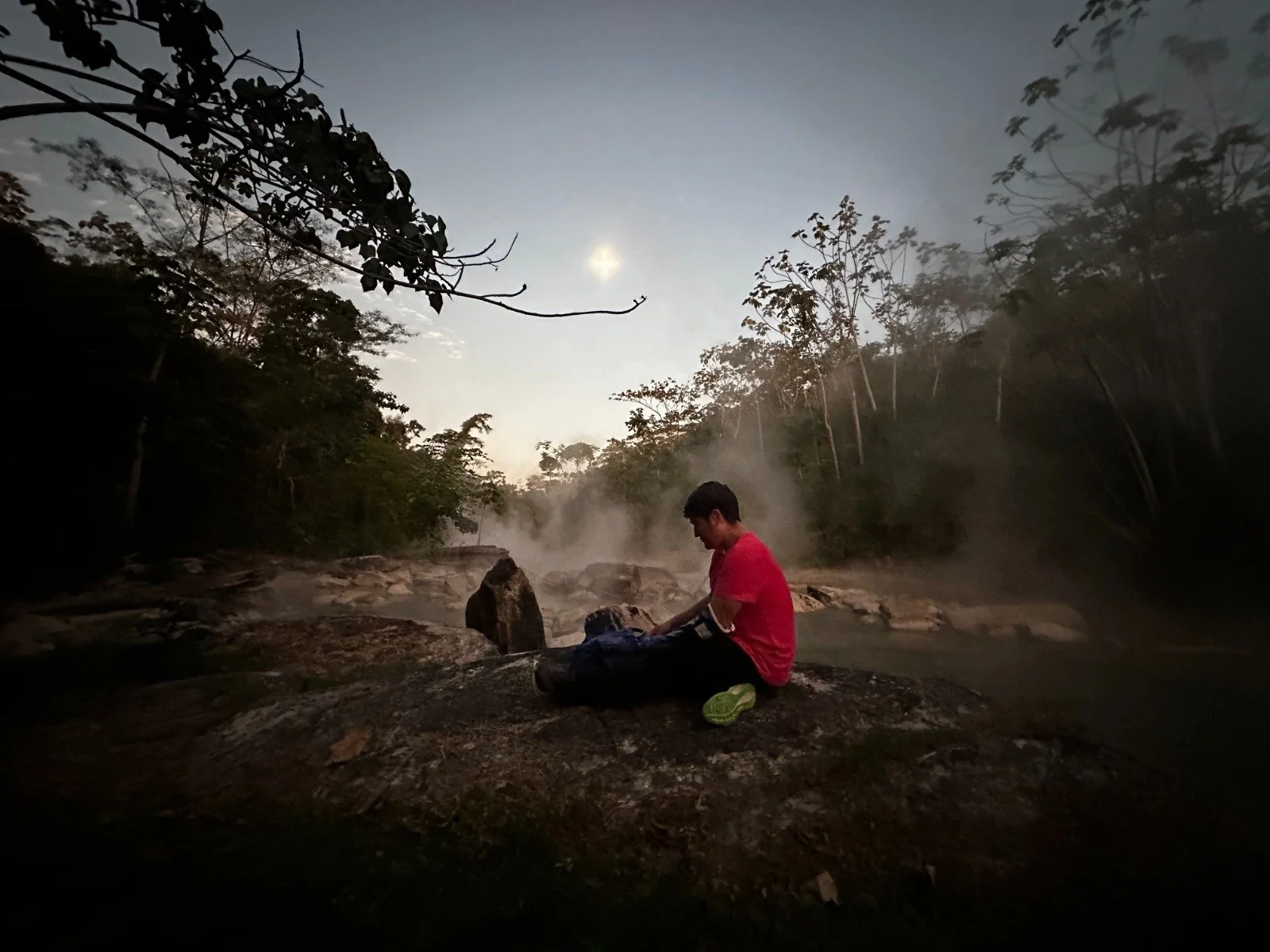
(Photos of Mr. Huanachin in the field. Photos are courtesy of Andres Ruzo.)
More Research Field Sites Coming in the Future